Social Prescribers

What are Social Prescribers?

Patients visit their GPs for a range of different reasons and sometimes these issues can be caused by non-medical matters such as loneliness, anxiety, unemployment, illness or debt.

Social prescribers work in partnership with GP surgeries and can help people to access appropriate support in the community, to help them make positive changes to their personal wellbeing.

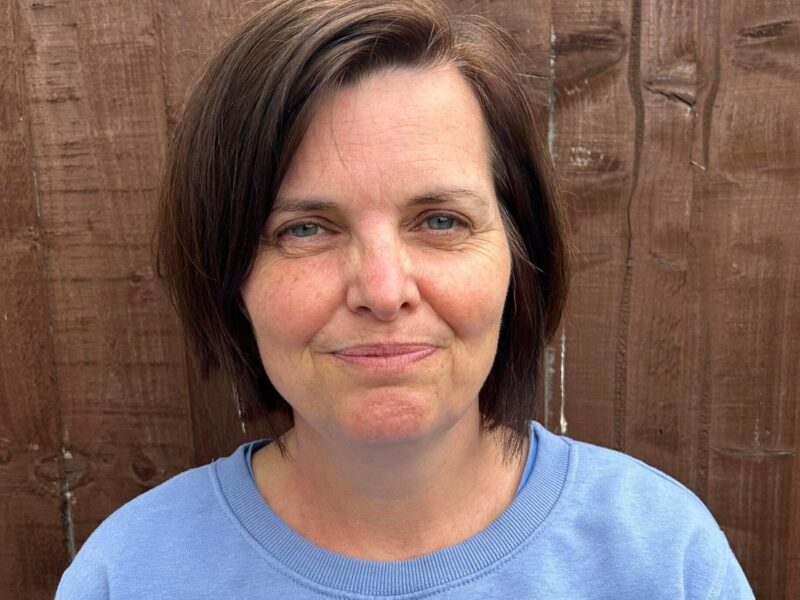
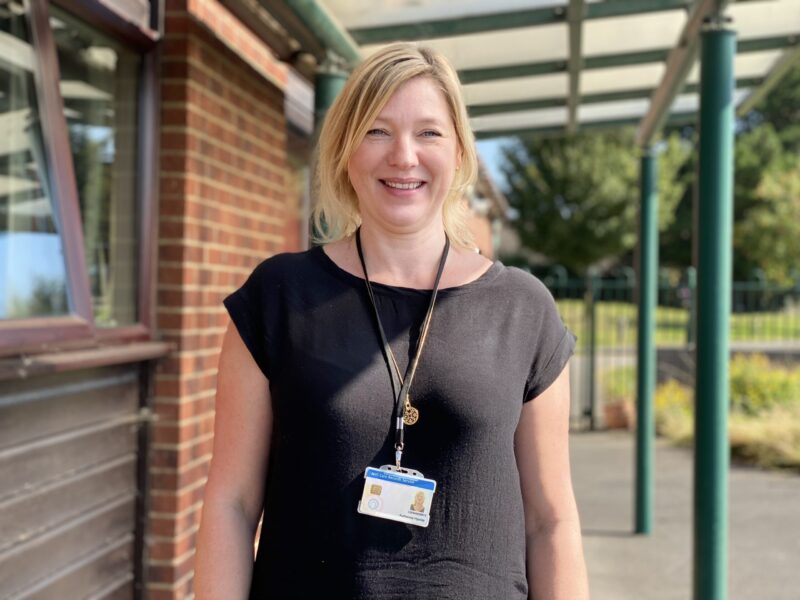
Meet Julie and Kath

Julie and Kath work across our member practices to help patients with a wide range of issues. 

We asked them to explain more about their role.

Julie

Julie

Kath

Kath

How does your role support patients in Rayleigh and District?

Julie

I like to think of social prescribing as backing up the medical support that a GP or other healthcare professional has already provided. Social prescribers are here more for the nitty gritty in life - the loneliness, bereavement, end of life benefits support, carers who are need their own care. We can provide the space to talk and connect our patients with the outside world of help, support and friendship. 

Kath

Patients are generally referred to social prescribing when they are going through a difficult time in their lives, by offering sessions for space to talk with us, we can help the patient to identify the area's of their lives they would like support with and offer information, referrals and signposting to services, charities and community groups which can meet their support needs.

How do you work with the wider PCN/practice team?

Julie

I feel very much part of a big team, whether it's my wonderful PCN colleagues at Rayleigh to our GP practices. We get referrals from everyone from nurses, to palliative care, to pharmacists. I like to think we are all pieces in the puzzle that will come together to make our patients feel supported. I know that I can pick up the phone or task someone and get the answers I need. I hope my colleagues feel the same way in return. 

Kath

The feedback we get is that social prescribing is a helpful referral pathway within the PCN and practices for areas of support that a patient has which is non-clinical in nature.  We invite the PCN/practice teams to get in contact and ask us if they are in any doubt of what support we can offer a patient.  We are very much in support of a wrap around approach when it comes to supporting a patient.

What would a typical case involve?

Julie

There is nothing typical about social prescribing cases! My youngest patient was 18, the eldest 96. I could be calling someone about lunch clubs, falls alarms and carer support one minute, or signposting someone to men's groups in the community for mental health the next.

The wide range of referrals is what keeps me on my toes. Thankfully we have a big data base we have set up so that we can target those area's that our patient needs information/support/signposting on and pass on our knowledge.

Kath

That is a hard question to answer as the referrals we receive are varied. The typical process would involve, receiving the referral, contacting the patient and carrying out a personalised care plan assessment. 

We work on what matters to the patient and the type of support they feel will make a difference to them.  We will then try to find the best match support wise with the services and community support we have available in the locality. 

If a patient doesn't really know what support they would like to access we will help them with this by exploring their areas of need and making recommendations of support which has been beneficial to others in a similar situation.  We will provide follow up appointments to further assess how the plan is working out.

What do you find most fulfilling about your role?

Julie

I feel incredibly lucky to do a job I absolutely love and truly enjoy. Beyond doubt the most fulfilling part of the job is seeing that you've made a difference in someone's life.

When you've spoken to someone who is at rock bottom to then see them start to engage in the community and blossom in confidence....the job satisfaction is wonderful! I often go home with a big smile on my face. 

Kath

I really enjoy working with people, you don't really know what the day might bring and for me this keeps the role interesting.  Being there for someone when they are going through a difficult time and giving them space to open up about their situation is a privilege.  Common feedback we get after a initial appointment is that patients feel better from being able to talk to someone and know support is out there. 

Being able to offer patients follow up appointments, seeing the progress they are making from the support we have put in place is very rewarding.  Hearing that the tone in someone's voices has changed from feeling lost and alone to hopeful and motivated about their future, really makes my day!

Page last reviewed: 25 March 2026
Page created: 25 March 2026